

Can Tree Stumps Cause Drainage Problems Along Stage Road Properties?
Tree removal often solves one problem while leaving another behind. After a tree is cut down, the remaining stump and root system can continue to affect the surrounding landscape in ways many property owners do not anticipate. One issue that frequently goes unnoticed is the impact a tree stump can have on drainage patterns and soil conditions.
For homeowners and property owners near Stage Road in West Charlton, NY, proper water management is important for maintaining healthy lawns, protecting foundations, and preserving the overall usability of outdoor spaces. Old stumps and underground roots can interfere with drainage, contribute to standing water, and create conditions that negatively affect landscape health.
Understanding how stumps influence drainage can help property owners make informed decisions about landscape maintenance and determine when a professional Stump Grinding Service West Charlton NY may be the right solution.
Understanding the Relationship Between Tree Stumps and Drainage
When a tree is removed, many people assume the problem is gone. However, the stump and remaining root system continue to occupy space beneath the soil surface.
Although roots gradually decompose over time, they can alter how water moves through the landscape during the decomposition process.
Several factors influence drainage around old stumps, including:
- Size of the original tree
- Root system depth
- Soil type
- Property slope
- Existing drainage conditions
- Seasonal rainfall patterns
In some cases, stumps have little impact on drainage. In others, they can contribute to ongoing moisture problems that become increasingly noticeable over time.
How Tree Roots Affect Soil Structure
A tree’s root system can extend well beyond the visible canopy.
Large mature trees often develop extensive root networks that influence soil composition and water movement.
When roots die and begin decomposing, they leave behind underground voids and channels.
These changes may:
- Alter natural drainage patterns
- Create uneven soil settlement
- Affect water absorption rates
- Increase soil instability
Properties near Stage Road often experience seasonal precipitation, snowmelt, and varying soil moisture conditions that can amplify these effects.
Can Stumps Contribute to Standing Water?
One common drainage complaint involves standing water that develops around former tree locations.
As roots decay, the surrounding soil may settle unevenly.
Depressions can form where:
- Rainwater collects
- Snowmelt accumulates
- Irrigation water pools
These low spots may remain wet long after surrounding areas have dried.
Over time, standing water can:
- Damage grass
- Encourage weed growth
- Attract insects
- Increase mosquito activity
- Create muddy conditions
Professional Stump Grinding Service West Charlton NY helps eliminate the physical stump and allows for proper grading adjustments that improve drainage performance.
The Impact of Decaying Root Systems
Even after a stump remains above ground, significant activity occurs beneath the surface.
Decaying roots gradually break down, creating voids within the soil profile.
These underground changes can:
- Redirect water flow
- Cause soil collapse
- Create drainage inconsistencies
- Lead to surface depressions
Large trees often produce root systems that persist for many years after removal.
The larger the original tree, the greater the potential impact on long-term soil conditions.
Drainage Challenges Near Stage Road Properties
Properties located near Stage Road may face unique drainage concerns due to local topography and seasonal weather conditions.
Heavy rainfall events and spring snowmelt can expose drainage weaknesses that might otherwise remain unnoticed.
When old stumps interfere with proper water movement, homeowners may observe:
- Persistent puddles
- Saturated lawns
- Erosion issues
- Landscape deterioration
- Wet areas near foundations
Addressing these concerns early helps prevent larger property maintenance challenges.
How Stumps Affect Lawn Health
Poor drainage directly impacts lawn performance.
Grass requires balanced moisture levels to thrive.
Areas surrounding old stumps may experience:
- Excess moisture retention
- Root rot
- Reduced oxygen availability
- Thinning turf
- Bare patches
Many homeowners focus on fertilization or reseeding without realizing that drainage problems are contributing to lawn decline.
Removing the stump often becomes an important step toward restoring healthy growing conditions.
Why Stump Grinding Improves Drainage Conditions
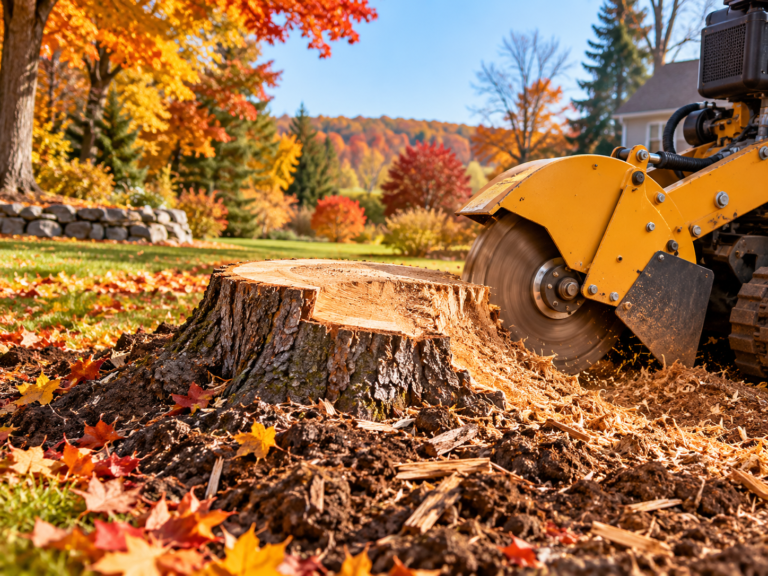
Stump grinding removes the visible stump and significantly reduces the obstacles affecting the landscape.
Benefits include:
Improved Surface Grading
Once the stump is removed, the area can be properly leveled to encourage water movement.
Better Soil Consistency
Grinding helps eliminate hard obstructions that interfere with landscaping improvements.
Reduced Water Pooling
Proper restoration reduces the likelihood of water collecting around the former stump location.
Easier Landscape Maintenance
Lawns become easier to mow, maintain, and improve.
A professional Stump Grinding Service West Charlton NY ensures the process is completed safely and effectively.
Hidden Drainage Problems Caused by Large Stumps
Larger stumps often create more significant challenges.
Massive root systems can extend:
- Beneath driveways
- Near walkways
- Around gardens
- Toward foundations
As roots decay, shifting soil conditions may affect water flow throughout a broader portion of the property.
Drainage problems sometimes appear several years after tree removal due to the gradual nature of root decomposition.
Stumps and Soil Compaction Issues
Tree removal equipment and years of root growth can contribute to soil compaction.
Compacted soil absorbs water more slowly.
This can increase:
- Surface runoff
- Erosion
- Water accumulation
- Landscape stress
After stump grinding, soil improvement measures can help restore proper drainage and encourage healthy vegetation growth.
Effects on Nearby Landscape Features
Drainage problems associated with stumps can affect more than just lawns.
Nearby features may also suffer.
Examples include:
Flower Beds
Excess moisture may damage sensitive plants.
Walkways
Pooling water can create slippery conditions.
Patios
Improper drainage may undermine paver stability.
Retaining Walls
Saturated soil increases pressure behind retaining structures.
Removing problematic stumps helps protect these valuable landscape investments.
Pest Problems Associated with Damp Conditions
Standing water and decaying wood often attract unwanted pests.
Common concerns include:
- Mosquitoes
- Carpenter ants
- Beetles
- Fungus gnats
- Termites in some situations
Wet conditions around old stumps create favorable environments for many insects.
Stump removal eliminates a major source of organic decay and helps reduce pest attraction.
How Stumps Influence Erosion
Water naturally follows the path of least resistance.
As root systems decay, they can alter soil stability and water movement.
In sloped areas, drainage disruptions may contribute to:
- Soil erosion
- Washed-out landscape beds
- Exposed roots
- Property damage
Professional grading following stump removal helps restore more predictable drainage patterns.
Signs a Stump May Be Contributing to Drainage Issues
Property owners should watch for warning signs such as:
- Water pooling near old stumps
- Soggy soil after rain
- Lawn decline around former tree locations
- Soil depressions
- Recurring muddy areas
- Increased mosquito activity
- Uneven ground settlement
These symptoms often indicate underlying drainage challenges that deserve professional attention.
Why DIY Stump Removal Often Falls Short
Many property owners attempt to address stumps themselves.
Unfortunately, DIY methods frequently leave:
- Large root sections
- Uneven ground
- Drainage issues unresolved
- Safety hazards
Professional stump grinding equipment removes the stump efficiently while minimizing disruption to the surrounding landscape.
Experts can also recommend grading improvements that address drainage concerns directly.
Long-Term Benefits of Stump Grinding
Removing a problematic stump provides numerous long-term advantages.
Benefits include:
Improved Drainage
Water moves more effectively through the landscape.
Healthier Lawns
Grass receives better growing conditions.
Enhanced Property Appearance
The landscape looks cleaner and more attractive.
Increased Usable Space
Homeowners gain more functional outdoor areas.
Reduced Maintenance Challenges
Mowing and landscaping become easier.
Better Soil Stability
Proper restoration helps prevent future settlement issues.
Maintaining Healthy Drainage After Stump Removal
After grinding is completed, additional steps may further improve drainage.
These may include:
- Soil grading
- Topsoil installation
- Lawn restoration
- Drainage channel improvements
- Mulch application
- Landscape redesign
A comprehensive approach often delivers the best results.
Professional Evaluation Makes a Difference
Every property is unique.
Factors influencing drainage include:
- Soil composition
- Slope
- Existing landscaping
- Tree size
- Root system extent
Professional assessments help identify the specific causes of drainage problems and determine whether stump removal is part of the solution.
Conclusion
Old tree stumps may seem harmless, but they can contribute to a variety of drainage and landscape issues over time. As root systems decompose, they can alter soil structure, create depressions, encourage standing water, and interfere with healthy lawn growth. These problems are particularly noticeable on properties near Stage Road, where seasonal weather patterns can expose drainage weaknesses.
Investing in a professional Stump Grinding Service West Charlton NY helps eliminate obstacles that interfere with proper water movement while improving the appearance, functionality, and health of the landscape. By addressing stumps before drainage issues worsen, property owners can protect their lawns, reduce maintenance concerns, and create a more attractive outdoor environment for years to come.
Frequently Asked Questions
Can an old tree stump really affect drainage?
Yes. Decaying roots and soil settlement around old stumps can create low areas where water collects and drainage becomes less effective.
Why does water pool around a removed tree?
As underground roots decompose, the soil may settle unevenly, creating depressions that collect rainwater and snowmelt.
How does stump grinding help with drainage?
Stump grinding removes the physical stump and allows the area to be regraded properly, reducing water accumulation and improving landscape drainage.
Can tree roots cause drainage issues even after the tree is gone?
Yes. Large root systems continue decomposing for years after tree removal and may affect soil stability and water movement.
Will stump grinding improve lawn health?
In many cases, yes. Removing the stump and restoring the area can improve drainage, reduce soil compaction, and create better growing conditions for grass.
How long does it take for roots to decompose naturally?
Depending on tree size and soil conditions, root systems can take several years to fully decompose, during which time they may continue affecting drainage and soil stability.

Leave a Reply