

Tree Fell on My House in West Charlton, NY: What Every Homeowner Should Do in the First 24 Hours
Nothing is more alarming than hearing a loud crash during a storm and discovering that a tree has landed on your home. Whether it’s a large oak split by high winds or a weakened maple brought down by heavy rain, the first few hours after the incident are critical. Your actions can help protect your family, reduce additional property damage, and make the recovery process much smoother.
Storms throughout Saratoga County can leave behind dangerous conditions, including fallen trees, hanging limbs, and unstable trunks. Many homeowners are unsure what to do immediately after discovering severe tree damage. Acting quickly—but safely—is the key.
If you’re searching for tree removal near me West Charlton NY, it’s important to work with experienced professionals who understand emergency tree removal, structural safety, and proper cleanup procedures. This guide explains exactly what to do during the first 24 hours after a tree falls on your home.
Why Trees Fall on Homes in West Charlton
West Charlton experiences a variety of weather conditions throughout the year, and many of them can weaken even healthy-looking trees. High winds, saturated soil, snow accumulation, and aging trees all increase the likelihood of tree failure.
Some of the most common causes include:
- Severe thunderstorms
- Wind gusts exceeding safe tree limits
- Heavy snowfall and ice accumulation
- Root damage from construction
- Soil erosion
- Tree disease
- Internal decay
- Lightning strikes
- Poor pruning practices
- Old or neglected trees
Even trees that appear healthy from the outside may have internal decay that cannot be seen without a professional inspection.
Step 1: Make Sure Everyone Is Safe
Your family’s safety should always come first.
If a tree has fallen onto your home:
- Stay calm.
- Check everyone inside for injuries.
- Leave the house immediately if it is safe to do so.
- Avoid rooms where the tree has impacted the roof or walls.
- Stay away from damaged electrical equipment.
If power lines are involved, assume they are live and stay far away until utility crews declare the area safe.
Step 2: Call Emergency Services if Necessary
Some situations require immediate emergency response.
Call 911 if:
- Someone is injured.
- Gas lines are damaged.
- Live electrical wires are down.
- The structure appears unstable.
- Fire or sparks are present.
Never enter a severely damaged structure until authorities determine it is safe.
Step 3: Do Not Attempt DIY Tree Removal
A common mistake homeowners make is trying to remove the tree themselves.
Large trees often remain under tremendous pressure after falling. Cutting the wrong branch can cause sections of the tree to shift unexpectedly, resulting in severe injuries or additional structural damage.
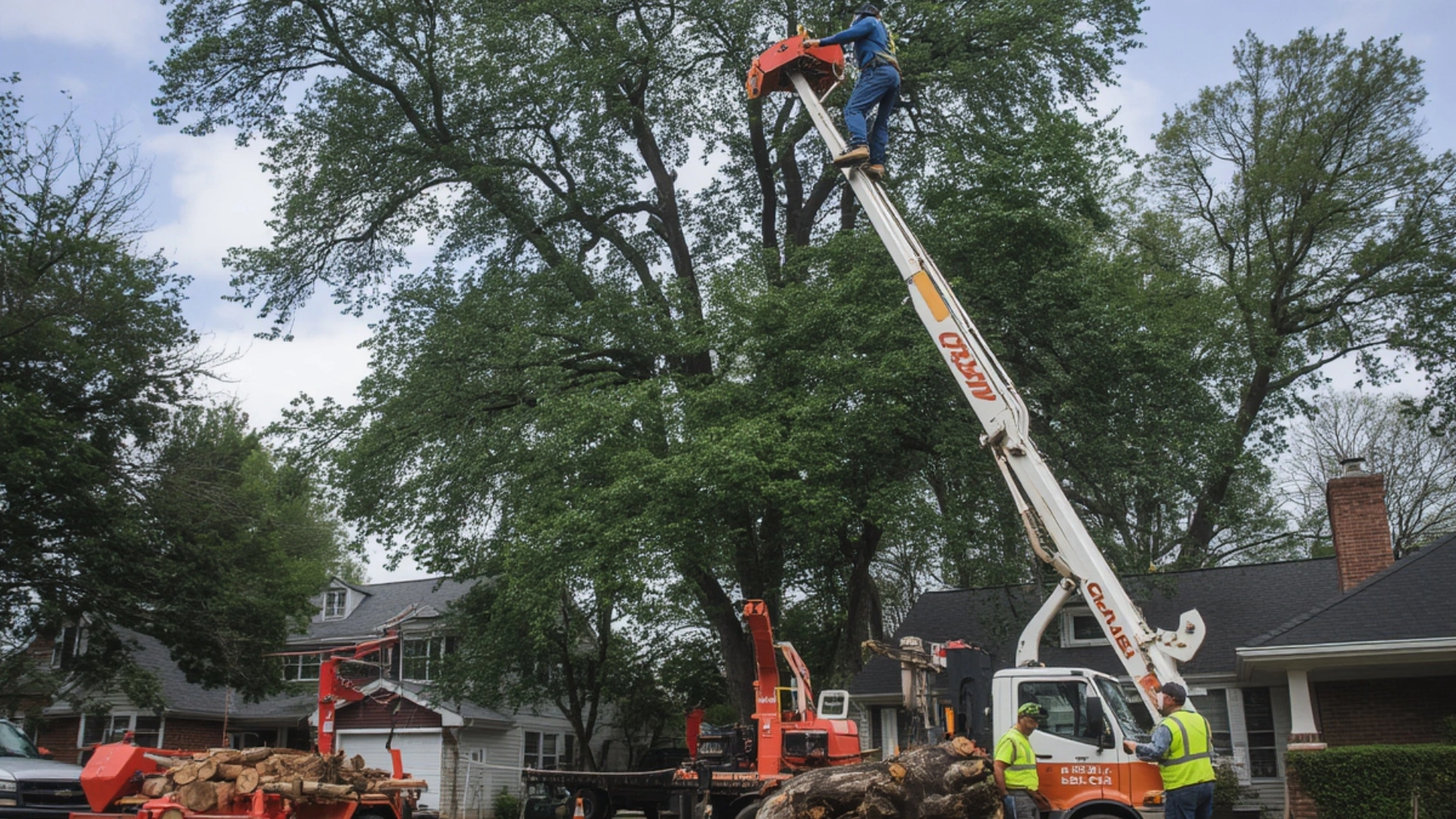
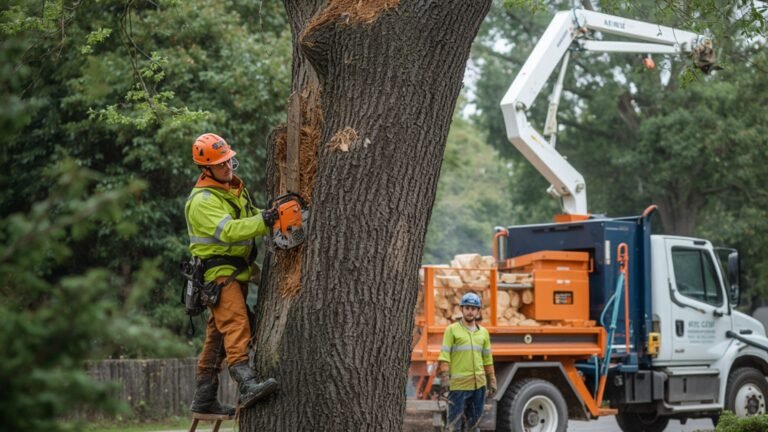
Professional emergency crews use specialized equipment such as:
- Cranes
- Bucket trucks
- Rigging systems
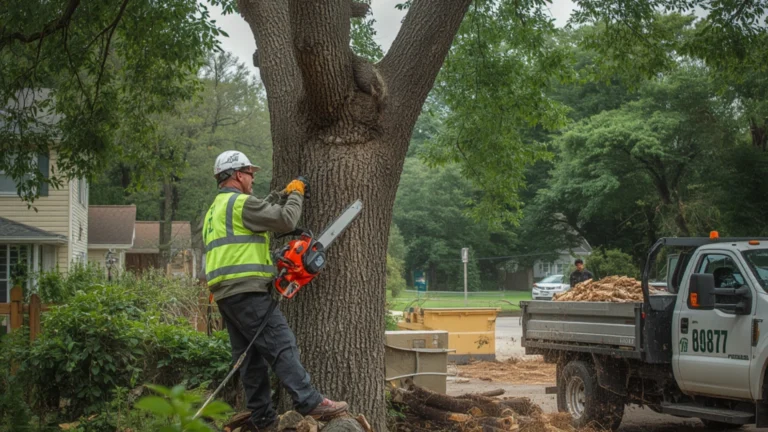
- Chainsaws designed for emergency removal
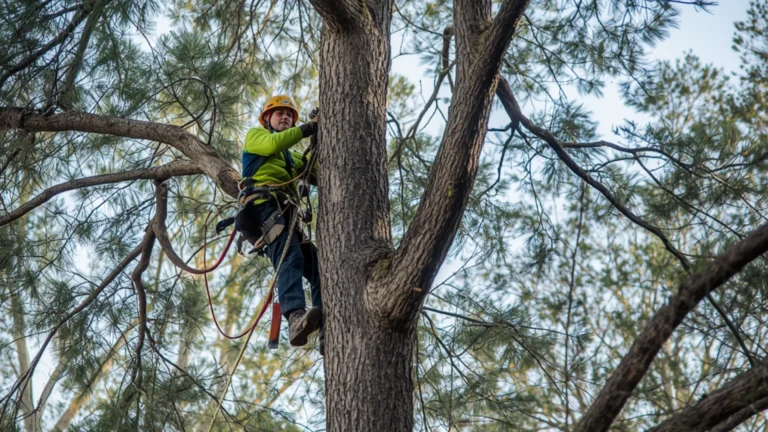
- Safety harnesses
- Heavy-duty lifting equipment
Removing storm-damaged trees is one of the most dangerous jobs in arboriculture.
Step 4: Contact Your Insurance Company
After everyone is safe, notify your homeowner’s insurance provider as soon as possible.
Before cleanup begins:
- Take clear photographs.
- Record videos of all damage.
- Document damaged vehicles.
- Photograph fences, decks, and landscaping.
- Save receipts for emergency expenses.
Insurance companies typically request detailed documentation before processing claims.
Step 5: Call an Emergency Tree Service
Time matters after severe storm damage.
If you’re searching for tree removal near me West Charlton NY, choose a company that offers:
- 24-hour emergency response
- Fully insured crews
- Professional equipment
- Storm damage specialists
- Safe debris removal
- Complete cleanup services
Prompt removal helps prevent additional structural damage and allows repair work to begin sooner.
Understanding a Leaning Tree After Storm Emergency
Not every dangerous tree actually falls.
A leaning tree after storm emergency can be just as hazardous because weakened roots or cracked trunks may fail without warning.
Signs a leaning tree requires immediate attention include:
- Fresh soil lifting around the roots
- Cracks in the ground
- A sudden lean after a storm
- Split trunk
- Hanging branches
- Exposed root system
- New gaps between roots and soil
Never park vehicles or allow children near a leaning tree.
Hidden Damage You May Not Notice
Once the tree is removed, homeowners often discover additional damage.
This may include:
Roof Damage
Broken rafters
Damaged shingles
Roof punctures
Water intrusion
Structural Damage
Cracked walls
Shifted framing
Foundation stress
Ceiling collapse
Electrical Problems
Damaged wiring
Broken service mast
Power interruptions
Electrical hazards
Plumbing Issues
Broken vent stacks
Damaged exterior pipes
Water leaks
Professional inspections help identify hidden damage before repairs begin.
Preventing Further Damage During the First Day
After emergency crews arrive, temporary measures can help reduce additional losses.
Common emergency services include:
- Roof tarping
- Tree stabilization
- Debris removal
- Temporary structural support
- Water mitigation
- Hazard removal
These temporary solutions protect your property until permanent repairs are completed.
Why Fast Tree Removal Matters
Leaving a fallen tree on your home increases the risk of:
- Water damage
- Mold growth
- Pest infestations
- Roof collapse
- Additional structural shifting
- Insurance complications
Emergency removal minimizes these risks while improving overall safety.
How Professionals Remove Trees From Homes
Emergency tree removal follows a carefully planned process.
Property Assessment
The crew evaluates structural stability, electrical hazards, and tree condition.
Hazard Identification
Utility lines, unstable branches, and compromised walls are identified before work begins.
Sectional Removal
Rather than dropping the entire tree, arborists remove it piece by piece using ropes and rigging systems.
Debris Cleanup
Branches, limbs, and wood are safely removed from the property.
Final Inspection
The crew checks for remaining hazards before leaving the site.
Can Every Fallen Tree Be Saved?
Sometimes homeowners hope a partially fallen tree can be preserved.
A professional arborist considers:
- Root damage
- Trunk splitting
- Species
- Age
- Overall health
- Structural integrity
If the tree poses an ongoing safety risk, removal is often the safest option.
How to Reduce Future Storm Damage
Preventive maintenance significantly lowers the chances of major tree failures.
Consider:
- Annual inspections
- Routine pruning
- Deadwood removal
- Cabling and bracing
- Disease treatment
- Removing hazardous trees
- Monitoring leaning trees
- Proper root care
Healthy trees are far less likely to fail during severe weather.
Why Professional Emergency Tree Services Matter
Emergency tree work requires experience, equipment, and safety training.
Professional crews understand:
- Safe cutting techniques
- Tree physics
- Structural hazards
- Insurance documentation
- Utility safety
- Storm cleanup procedures
Hiring experienced professionals protects both your family and your property.
Trust Stump Grinding Albany NY for Emergency Tree Services
Storm damage can happen without warning, but you don’t have to face it alone. Whether a tree has crashed through your roof or you’re dealing with a dangerous leaning tree after storm emergency, quick professional action is essential.
At Stump Grinding Albany NY, we provide fast emergency tree removal, hazardous tree removal, storm damage cleanup, and expert tree care throughout West Charlton and surrounding communities. Our experienced team uses professional equipment and proven safety practices to restore your property quickly and efficiently.
If you need tree removal near me West Charlton NY, we’re ready to help with prompt, dependable service when you need it most.
Frequently Asked Questions
What should I do immediately after a tree falls on my house?
Ensure everyone is safe, evacuate if necessary, call emergency services if anyone is injured or utilities are damaged, contact your insurance provider, and call a professional emergency tree removal company.
Can I remove the fallen tree myself?
No. Storm-damaged trees can shift unexpectedly and are extremely dangerous. Professional removal is strongly recommended.
Is a leaning tree after a storm dangerous?
Yes. A newly leaning tree often indicates root failure or structural damage and can fall without warning.
Will homeowners insurance cover tree removal?
Many homeowners insurance policies cover tree removal when the tree damages an insured structure. Coverage varies, so contact your insurance company for details.
How quickly should emergency tree removal be completed?
Ideally within the first 24 hours, especially if the tree is causing structural damage or creating safety hazards.
How can I prevent trees from falling during storms?
Routine inspections, professional pruning, removing dead branches, and addressing diseased or unstable trees greatly reduce storm-related risks.

Leave a Reply